When researching supplements, it’s common to come across ingredients that seem to support the same health goal.
CoQ10 and PQQ both support mitochondrial health. NAC and glutathione are both powerful antioxidants. Pomegranate extract and Urolithin A are both associated with healthy aging.
So…which one should you choose for your patients?
The answer isn’t always one or the other. While these ingredients often support the same body systems, they work through different mechanisms, and understanding those differences can help you build a formula that’s better aligned with your patient’s health goals.
In this guide, we’ll break down ingredient pairings, explain how they work, and help you decide when each one may be the better fit. Looking for help choosing between different forms of the same nutrient? Check out our guide here to understanding various nutrient forms.
CoQ10 vs PQQ: Both support mitochondrial health, but they don’t work the same way.
Understanding when to choose CoQ10, PQQ, or both can help you create more targeted formulas for energy, cardiovascular health, healthy aging, and cellular resilience.

CoQ10: Supporting Energy Production
Coenzyme Q10 (CoQ10) is a naturally occurring antioxidant found in nearly every cell of the body, with particularly high concentrations in the heart, brain, liver, and muscles.
Its primary role is helping mitochondria convert nutrients into usable cellular energy (ATP). It can support cellular energy production, cardiovascular health, and exercise recovery. Best if your patient:
- Experiences low energy or fatigue
- Is focused on cardiovascular health
- Needs additional antioxidant support
PQQ: Supporting Mitochondrial Renewal
Pyrroloquinoline Quinone (PQQ) is a unique antioxidant that supports mitochondrial function differently than CoQ10.
While CoQ10 helps existing mitochondria work efficiently, PQQ is best known for supporting mitochondrial biogenesis, the process of creating new mitochondria. It can support cognitive health and mental performance, cellular resilience and provide antioxidant support. Best if your patient:
- Wants support for cognitive performance
- Is focused on healthy aging and longevity
- Experiences mental fatigue
- Needs support for long-term cellular health
Which Is Right For Your Patient?
Choose CoQ10 when:
The primary goal is supporting cellular energy production, cardiovascular health, exercise recovery, or antioxidant protection.
Suggested Pairing: Magnesium to support muscle recovery,
Choose PQQ when:
The focus is cognitive support, mitochondrial biogenesis, healthy aging, or long-term cellular resilience.
Suggested Pairing: Lion’s Mane to support cognitive health.
Consider Both when:
You want comprehensive mitochondrial support. CoQ10 helps existing mitochondria produce energy efficiently, while PQQ supports the creation of new mitochondria. Together, they provide complementary support for energy production, cognitive health, and healthy aging.
Pomegranate Extract vs. Urolithin A: Both support healthy aging, but they take different paths to get there.
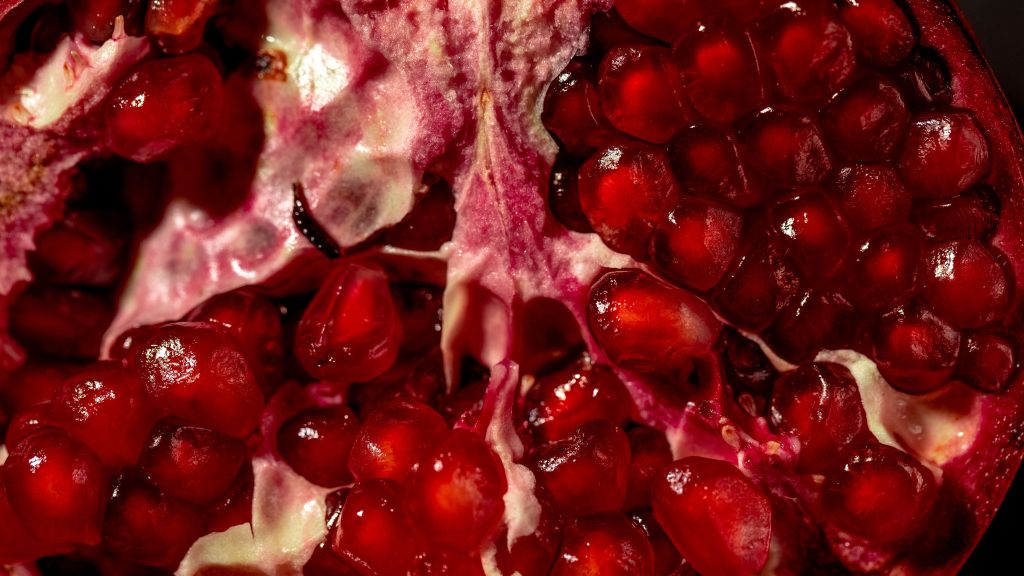
Pomegranate Extract: Supporting Healthy Aging from the Top Down
Pomegranate extract is rich in ellagitannins and polyphenols that provide antioxidant support and help protect cells from oxidative stress.
These compounds also serve as the dietary precursors to urolithins, including Urolithin A, which are produced by certain gut microbes. Best if your patient:
- Is looking for broad antioxidant support
- Wants cardiovascular and healthy aging support
- Is focused on overall wellness and inflammation balance
- May benefit from whole-food polyphenols
Urolithin A: Targeted Mitochondrial Support
Unlike pomegranate extract, Urolithin A is the active metabolite itself, bypassing the need for microbial conversion.
Its primary claim to fame is supporting mitophagy, the body’s natural process of clearing damaged mitochondria so healthier ones can function more efficiently. Best if your patient:
- Is focused on active aging
- Needs targeted mitochondrial support
- Is concerned with muscle performance or healthy aging
- May not efficiently convert ellagitannins into Urolithin A naturally
Which Is Right For Your Patient?
Choose Pomegranate Extract when:
Your goal is broad antioxidant support, cardiovascular wellness, healthy inflammatory balance, and whole-food polyphenol intake.
Choose Urolithin A when:
The priority is targeted mitochondrial health, mitophagy, muscle function, or active aging.
Consider Both when:
You want to support longevity through complementary mechanisms.
Pomegranate extract provides a diverse range of polyphenols with antioxidant benefits, while Urolithin A offers direct support for mitochondrial renewal. Together, they may provide a more comprehensive healthy aging strategy.
NAC vs. Glutathione: Both support antioxidant defenses, but they work in different ways.
NAC: Supporting the Body’s Own Glutathione Production
N-Acetyl-L-Cysteine (NAC) is a stable form of the amino acid cysteine and one of the primary building blocks used to produce glutathione, the body’s primary antioxidant.
Rather than supplying glutathione directly, NAC supports the body’s natural ability to synthesize it. Best if your patient:
- Needs long-term antioxidant support
- Is looking to support detoxification pathways
- Wants to promote healthy glutathione production
- Wants additional support for healthy lung function
- Has a history of environmental exposures (e.g., former smokers) or are looking to support respiratory wellness
Glutathione: Delivering the Body’s Primary Antioxidant
Glutathione is one of the body’s most important endogenous antioxidants, helping neutralize free radicals and protect cells from oxidative damage.
Supplementing with glutathione provides the antioxidant directly rather than relying on the body’s ability to produce it. Best if your patient:
- Needs targeted antioxidant support
- Experiences increased oxidative stress
- Wants to replenish glutathione directly
- May have impaired glutathione production
Which Is Right For Your Patient?
Choose NAC when:
The goal is supporting the body’s natural glutathione production, detoxification pathways, respiratory health, and long-term antioxidant capacity.
Choose Glutathione when:
The priority is delivering direct antioxidant support, protecting against oxidative stress, or replenishing glutathione levels.
Consider Both when:
You want to support glutathione status through complementary mechanisms.
NAC provides the building block needed to produce glutathione, while glutathione supplementation delivers the finished antioxidant directly. Together, they can provide comprehensive antioxidant support.
Many supplement ingredients support similar health goals, but that doesn’t mean they’re interchangeable.
The key is understanding how each ingredient works. Depending on your patient’s goals, one ingredient may be more appropriate, or a combination may provide broader support. If you need help formulating, we’re always here to lend a hand. We also have a library of helpful practitioner resources in your portal. You can also learn more about our quality and sourcing here.