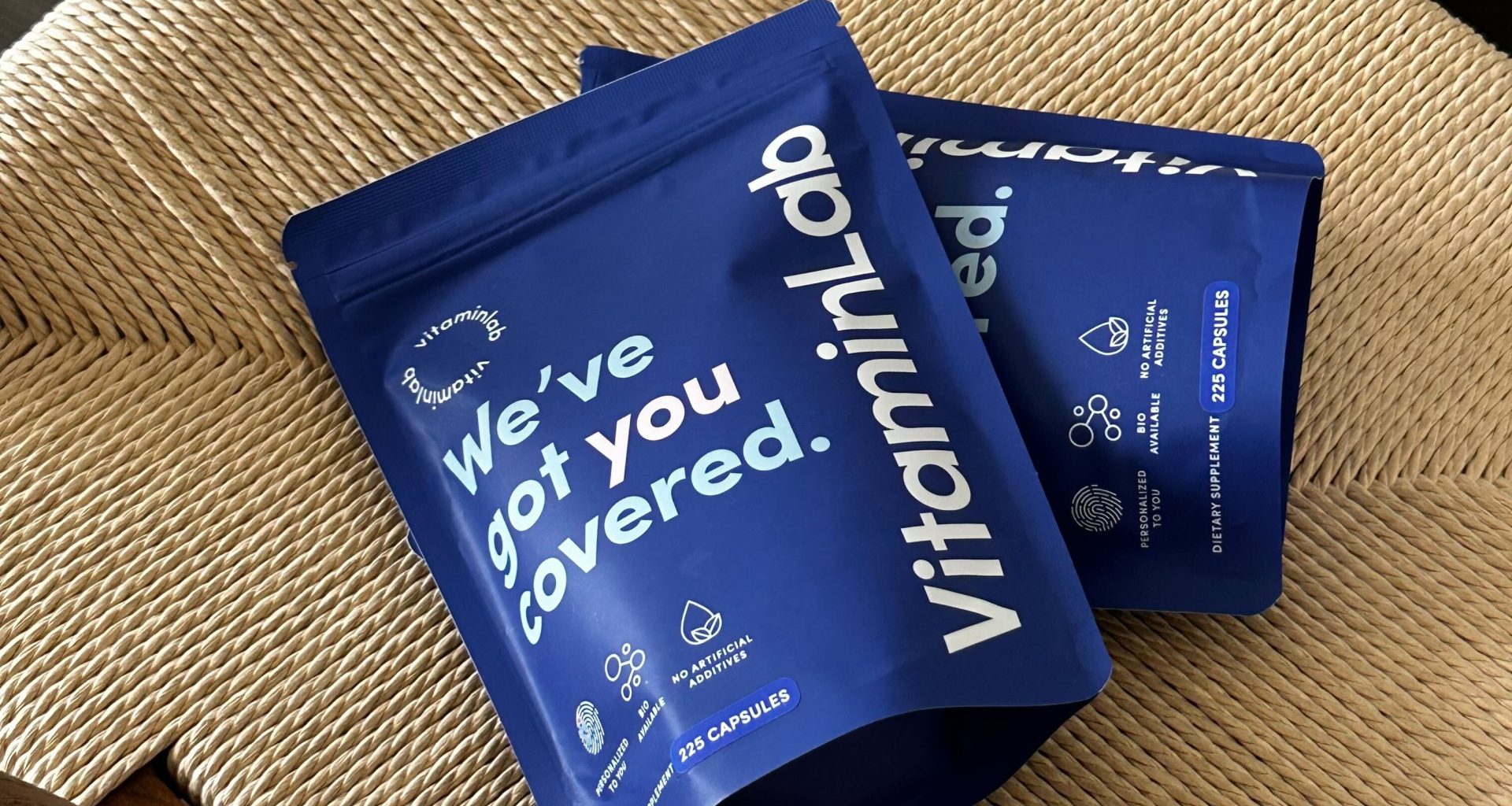
You walk into a health food store for something simple: magnesium.
You’re then greeted with magnesium glycinate. Magnesium malate. Magnesium L-threonate. Suddenly, it’s not so simple. And you haven’t even made it to the omega section yet.
Here’s what most labels don’t explain: different forms of nutrients don’t behave the same way in the body. They vary in absorption, tolerability, and clinical application. In other words, the form isn’t just a minor detail, it’s the key to reaching your goals.
Choosing the right one shouldn’t feel overwhelming. So, here’s the breakdown.
Magnesium: Same Mineral, Different Jobs
Magnesium is one of the most important minerals in the body. It’s involved in 300+ enzymatic reactions, meaning it acts as a helper molecule in hundreds of biochemical processes that keep you functioning day to day—energy production, nervous system regulation, muscle contraction, blood sugar balance, detoxification, DNA repair—it’s everywhere.
Magnesium insufficiency is incredibly common in North America. Modern soil depletion means our food may contain less than it once did, and chronic stress, blood sugar imbalances, caffeine, and alcohol all increase magnesium loss. The result? Many people aren’t clinically deficient, but they’re functionally running low. This shows up as muscle tightness, poor sleep, headaches, constipation, fatigue, stress intolerance, or PMS.
Magnesium Glycinate
Best for: Stress, sleep, muscle tension, gentle daily support
Magnesium glycinate is bound to glycine, a calming amino acid. It’s highly absorbable and typically easy on digestion.
Think of this as your go-to for:
- Stress resilience
- Sleep quality
- Muscle tightness
- Long-term repletion
It’s a foundational, well-tolerated option for most people.
Magnesium L-Threonate
Best for: Cognitive support, focus, brain aging
Magnesium L-threonate is the only magnesium form that can cross the blood-brain barrier. It’s often chosen when the goal is neurological support.
Consider this form for:
- Brain fog
- Memory support
- Cognitive longevity
- High-demand mental performance
This is your “brain-forward” magnesium.
Magnesium Malate
Best for: Energy, muscle fatigue, metabolic support
Magnesium malate is bound to malic acid, a compound involved in cellular energy production (Krebs cycle).
Often used for:
- Fatigue
- Muscle soreness
- Energy production
Think of this as the more energizing magnesium.
Want to explore magnesium in more depth? Read our full guide here.
Vitamin D: Same Molecule, Different Source
Vitamin D influences immune regulation, bone health, mood, muscle function, and hundreds of gene expression pathways throughout the body. When we talk about supplementation, we’re typically referring to vitamin D3, the form your body naturally produces in response to sunlight.
But here’s where confusion sets in: you may see both cholecalciferol and VegD3® listed on labels and when building your formula.
Cholecalciferol
Cholecalciferol is the chemical name for vitamin D3. It’s the biologically active form used in most supplements and the one most widely studied in clinical research. Traditionally, it’s derived from lanolin (from sheep’s wool).
VegD3®
VegD3® is also cholecalciferol, but sourced from lichen instead of lanolin. This makes it a great option for vegans! Functionally, your body can’t tell the difference.

Omega-3s: Ratios Change Everything
Omega-3 fatty acids are foundational for brain function, cardiovascular health, inflammation balance, and cellular membrane integrity. They’re incorporated directly into your cell membranes, influencing how cells communicate, respond to stress, and regulate inflammation.
When we talk about omega-3s, we’re usually referring to two key fatty acids:
- EPA (eicosapentaenoic acid): more inflammation-modulating and cardiovascular-focused
- DHA (docosahexaenoic acid): more structural, especially in the brain and eyes
Not all omega-3 supplements are the same. The source, ratio, and delivery format can significantly influence how they function in the body.
Algae (Schizochytrium)
Best for: Plant-based support, DHA-focused protocols, sustainability
Algae-derived omega-3s come from marine microalgae, the original source of omega-3s in the food chain (fish accumulate DHA and EPA by eating algae). Schizochytrium is one of the most commonly used strains and is naturally rich in DHA.
This form is ideal for:
- Plant-based or vegan protocols
- Pregnancy and early development (DHA-focused support)
- Patients avoiding fish-derived products
It’s a sustainable option that delivers omega-3s in their original form, without relying on fish oil.
DHA/EPA (AvailOm® 50 High DHA)
Best for: Brain health, pregnancy, visual support
This form delivers a DHA-dominant ratio using AvailOm®, a high-bioavailability omega-3 technology. DHA plays a structural role in the brain and retina, making it especially important during periods of neurological development and cognitive demand.
Consider this when:
- Supporting fertility, pregnancy, or postpartum health
- Prioritizing cognitive function or brain aging
- Targeting visual health
Because of its enhanced absorption, this form allows for effective dosing with fewer milligrams, helping reduce overall capsule count.
EPA/DHA (AvailOm® 50 High EPA)
Best for: Inflammation, mood, cardiometabolic support
This form flips the ratio—prioritizing EPA, the more metabolically active, inflammation-modulating omega-3.
Often used when:
- Inflammation is a key driver
- Supporting mood and emotional regulation
- Addressing cardiovascular or metabolic concerns
Think of this as your more “active” omega-3, working dynamically to influence inflammatory pathways and systemic balance.
Vitamin B12: Coenzymes, Methyl Donors, and Cellular Energy
Vitamin B12 plays a critical role in nerve function, red blood cell production, energy metabolism, and DNA synthesis. Just like folate, B12 relies on specific metabolic pathways, meaning the form you choose directly dictates how and where it works in your body.
Methylcobalamin
Best for: Neurological health, methylation support, elevated homocysteine
Methylcobalamin is one of the two active coenzyme forms of B12. It serves as an essential cofactor for methionine synthase, the enzyme responsible for converting homocysteine into methionine, a reaction central to methylation and SAMe production.
Think of this as your go-to for:
- Nerve health, cognitive performance, and myelin maintenance
- Lowering elevated homocysteine (cardiovascular and MTHFR support)
- Direct, ready-to-use methylation support
Note: Because it acts directly as a methyl donor, highly sensitive people may experience overstimulation or anxiety with high doses.
Adenosylcobalamin
Best for: Mitochondrial energy, muscle recovery, cellular fatigue
Adenosylcobalamin is the second active coenzyme form of B12. Unlike methylcobalamin, its work happens inside the mitochondria, where it acts as a cofactor for methylmalonyl-CoA mutase to support fatty acid and amino acid metabolism.
Consider this form for:
- Cellular energy production and chronic fatigue support
- Muscle recovery, athletic performance, and physical endurance
- Addressing elevated methylmalonic acid (MMA) levels, a key marker of functional B12 status
Hydroxycobalamin
Best for: Sensitive patients, long-term maintenance, versatile B12 repletion
Hydroxycobalamin is a naturally occurring precursor form of B12. While not an active coenzyme itself, the body easily converts it into both methylcobalamin and adenosylcobalamin based on real-time tissue demand.
Often used when:
- Patients are sensitive to methyl donors (avoiding jitters or sleep disruption)
- Looking for sustained, long-term circulation and repletion
- Providing a “universal” B12 reservoir that lets the body control its own conversion pathways

Calcium: Not Just About Bones
Calcium is best known for its role in bone health, but its impact goes far beyond that. It’s involved in muscle contraction, nerve signaling, vascular function, and hormone secretion. But like magnesium, the form matters. Different types of calcium vary in how well they’re absorbed, how they’re tolerated, and what role they play in the body.
Calcium (as Calcium Citrate)
Best for: Absorption, digestive tolerance, foundational support
Calcium citrate is one of the most commonly used and well-absorbed forms of calcium. Unlike calcium carbonate, it doesn’t require stomach acid for absorption, making it a better option for individuals with lower stomach acid or digestive sensitivity.
Think of this as your go-to for:
- General bone support
- Long-term supplementation
- Patients with sensitive digestion
It’s reliable, versatile, and typically well tolerated across a wide range of patients.
Calcium (Lithothamnium coralloides algae)
Best for: Whole-food-based support, mineral synergy, gentle absorption
This form of calcium is derived from red marine algae, naturally rich in calcium along with trace minerals like magnesium and potassium. It offers a more “food-based” approach to calcium supplementation.
Consider this form for:
- Whole-food-derived option
- Supporting broader mineral balance
- Gentle, sustained absorption
Because it comes with naturally occurring cofactors, it may support more balanced mineral utilization in the body.
Calcium D-Glucarate
Best for: Detoxification, hormone balance, liver support
Calcium D-glucarate is not used primarily to raise calcium levels. Instead, it plays a role in supporting the body’s detoxification pathways, specifically by helping regulate beta-glucuronidase, an enzyme involved in estrogen metabolism and toxin clearance.
Often used when:
- Supporting estrogen balance
- Promoting healthy detoxification
- Addressing hormone-related concerns
Think of this less as a “calcium supplement” and more as a targeted tool for metabolic and hormonal support.
Folate vs. Folic Acid: Same Vitamin, Different Pathways
Vitamin B9 is essential for DNA synthesis, red blood cell production, and methylation, a process involved in everything from detoxification to neurotransmitter balance. But not all forms of B9 function the same way in the body.
Folate (5-MTHF)
Best for: Bioavailability, methylation support, active utilization
Folate, typically in the form of 5-MTHF (5-methyltetrahydrofolate), is the biologically active form your body can use immediately. It bypasses several conversion steps required by other forms.
Think of this as your go-to for:
- Supporting methylation pathways
- Individuals with MTHFR polymorphisms
- Prenatal and neurological support
Because it’s already “active,” it’s often preferred in clinical settings where efficient utilization matters, like pregnancy.
Folic Acid
Best for: General use, cost-effective fortification
Folic acid is the synthetic form of vitamin B9, commonly used in fortified foods and many standard supplements. Before the body can use it, it must be converted into its active form. For most people, this conversion happens efficiently—but not always.
Considerations:
- Requires enzymatic conversion to become active
- May accumulate unmetabolized in some individuals at higher doses
- Less targeted compared to active forms like 5-MTHF
This is the more traditional, widely available form, but not always the most efficient.

Probiotics: It’s All About the Strain
Not all probiotics do the same thing, and more importantly, not all strains survive the journey to where they need to work. Different species (and even specific strains within them) have different functions in the body, from supporting digestion and immunity to influencing mood and gut barrier integrity.
Here’s a quick look at some of the most commonly used:
Bacillus Clausii: A spore-forming probiotic known for its resilience. Often used to support gut balance during or after antibiotic use.
Bacillus Coagulans: May support digestion and may help with bloating and IBS-related symptoms. Spore-forming, so it’s highly stable.
Bacillus Mesentericus: Traditionally used to support digestive enzyme activity and overall gut function.
Bacillus Subtilis: A robust, soil-based probiotic that can support microbial balance and may help crowd out less desirable bacteria.
Bifidobacterium Bifidum: One of the most common beneficial bacteria in the gut. Can support digestion, immune function, and gut barrier integrity.
Lactobacillus Acidophilus: Widely used for digestive support. May help maintain a healthy gut environment and may support vaginal microbiome balance.
Lactobacillus rhamnosus: Well-studied for immune support and gut health. Often used in protocols targeting diarrhea and microbiome resilience.
Saccharomyces boulardii: A beneficial yeast—not a bacteria. Commonly used to support gut health during travel, antibiotic use, or digestive upset.
When it comes to supplementation, the ingredient is only part of the story. The forms, the ratios, and the strains all shape how that nutrient functions in the body. What looks like a small detail on a label is often doing the heavy lifting behind the scenes. Because when every ingredient has a role, your formula works smarter, not harder. This level of nuance shows up across the board, from minerals and fatty acids to herbal compounds like adaptogens, where function is highly dependent on the specific ingredient and intended use.